Ventilator pressure assistance plays a crucial airway management in ventilation duty in making sure patient safety and security and comfort throughout mechanical ventilation. The details of ventilator settings can have extensive implications on client results, making it necessary for medical care professionals to understand the idea extensively. This short article will certainly delve into the various aspects of ventilator pressure support, its value in clinical settings, and the training called for to ensure ideal use.
What is Ventilator Support?
Ventilator assistance describes the help supplied by a mechanical ventilator to clients that are unable to breathe properly by themselves. This support can vary from providing full breathing assistance to assisting spontaneous breathing initiatives.
Types of Ventilator Support
Understanding the different sorts of ventilator support is important:
- Continuous Favorable Air passage Pressure (CPAP): Maintains a continuous degree of positive stress throughout the respiratory cycle. Bi-Level Favorable Respiratory tract Stress (BiPAP): Supplies two levels of stress-- one for inhalation and one more for exhalation. Pressure Support Air flow (PSV): Supports spontaneous breaths by providing a pre-programmed quantity of pressure throughout inhalation.
Each type has its application and comprehending these differences adds to efficient air passage monitoring and air flow strategies.
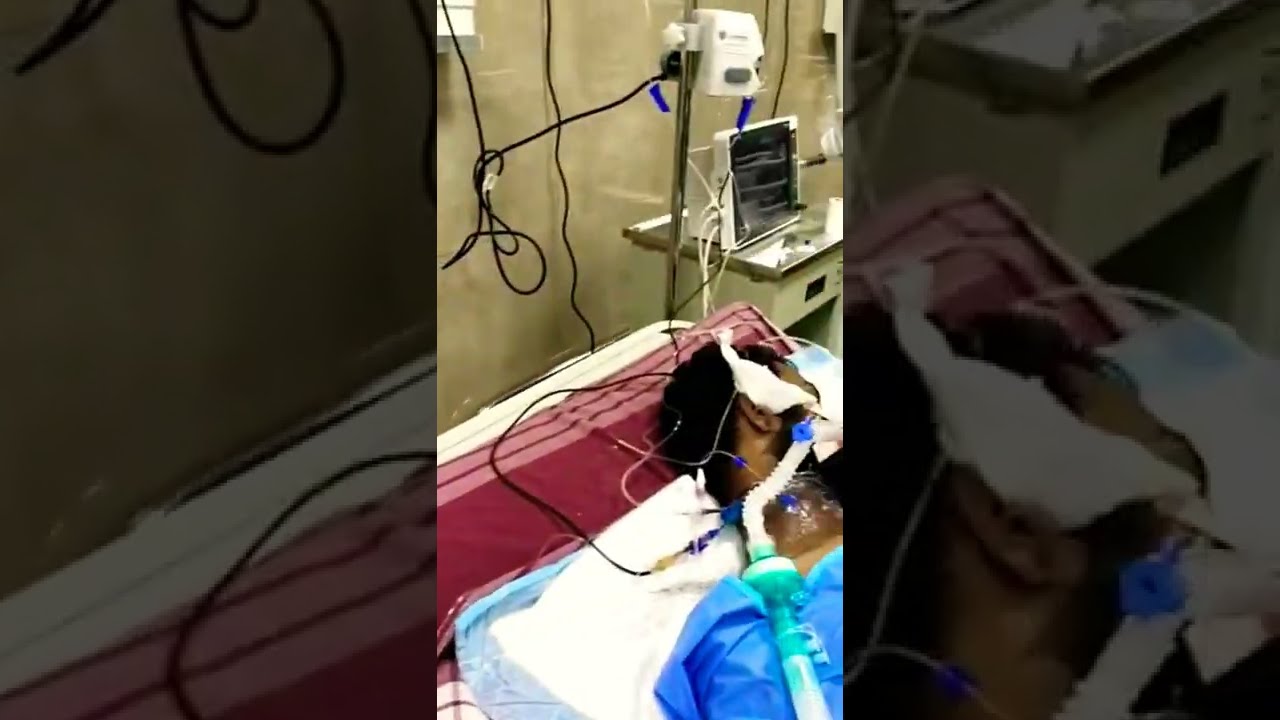

Why Recognizing Ventilator Pressure Support is Important for Individual Safety
Ventilator pressure support not just ensures adequate gas exchange but also avoids prospective issues connected with mechanical air flow. Badly adjusted pressure setups can bring about barotrauma, volutrauma, and even hemodynamic instability.
The Value of Keeping an eye on Ventilator Settings
Regularly keeping an eye on ventilator settings allows doctor to adjust based on real-time client requirements. Changes may be needed due to changes in lung mechanics, client convenience, or medical status.
Key Specifications in Monitoring
Peak Inspiratory Stress (PIP) Plateau Pressure Tidal Volume Respiratory RateMonitoring these specifications offers understanding into exactly how well the ventilator is supporting the person's breathing efforts.
The Duty of Basic Ventilator Training Course in Training Health Care Professionals
A standard ventilator program is essential for anyone associated with respiratory tract monitoring and air flow techniques. These training courses supply foundational knowledge that improves medical skills necessary for managing patients calling for ventilatory support.
Curriculum Overview
- Introduction to mechanical ventilation Understanding different modes and settings Hands-on experiment ventilators Troubleshooting typical issues
Such training courses encourage nurses and other medical professionals with sensible abilities vital for efficient person care.
Ventilation Training Courses: A Requirement for Modern Healthcare
The developing landscape of medical care demands that professionals stay updated with ideal techniques through specialized ventilation training programs. These programs bridge knowledge gaps and prepare practitioners for complex scenarios they might come across in the ICU or emergency situation department.
Benefits of Specialized Training
Improved person outcomes Enhanced self-confidence in taking care of ventilated patients Better communication among healthcare teamsInvesting time in innovative training pays dividends worrying both security and efficacy in patient care.
Ventilator Training for Registered nurses: Enhancing Medical Competence
Nurses play a crucial duty in managing ventilated patients, necessitating targeted training particular to their demands. Understanding just how to run a ventilator efficiently can dramatically affect client safety and security during vital interventions.
Essential Skills Acquired With Training
- Operating various ventilator modes Assessing patient-ventilator synchrony Recognizing alarm signals
These skills assist registered nurses respond rapidly to modifications in a client's problem, making sure prompt interventions that safeguard life.
Tracheostomy and Ventilator Training: An Essential Component
Training associated especially to tracheostomy care combined with ventilation methods prepares health care specialists for distinct challenges related to lasting air passage management.
Key Aspects of Tracheostomy Care
Maintenance of patency Suctioning methods Infection avoidance methodsFamiliarity with these components cultivates an environment for safe, effective treatment delivery.
Airway Administration and Air flow: Foundational Knowledge
Airway management is essential to safe air flow techniques; understanding the interaction in between air passage control and mechanical support is important for all healthcare providers associated with crucial treatment settings.
Techniques Used in Airway Management
Endotracheal intubation Bag-mask ventilation Use of adjuncts like laryngeal masksMastering these strategies enhances overall proficiency when combined with expertise about mechanical air flow settings.
NDIS Air flow Training course: Satisfying Specific Needs
For professionals working within structures like the National Impairment Insurance System (NDIS), specialized education focused on ventilation methods tailored towards people with disabilities comes to be imperative.
Course Features
Individualized analysis approaches Techniques details for home-based treatment Collaboration approaches with multidisciplinary groupsSuch focused training makes sure that practitioners are geared up to deliver safe and efficient treatment within this special context.
Common Obstacles Encountered Throughout Mechanical Ventilation
Navigating mechanical air flow needs understanding of prospective hurdles that can jeopardize patient security:
1. Equipment Malfunction
Regular maintenance checks diminish risks related to equipment failure throughout critical moments.
2. Patient Discomfort
Strategies need to be executed quickly if pain materializes using agitation or inadequate compliance observed via monitoring devices.
3. Inadequate Communication Among Providers
Effective communication boosts synergy amongst caretakers, thus boosting reaction times throughout emergencies including mechanically aerated patients.
FAQs About Ventilator Pressure Support
1. What is the primary objective of utilizing stress support on a ventilator?
The key goal is to help people' spontaneous breathing efforts while guaranteeing adequate oxygenation without over-distending the lungs.
2. Exactly how does one determine proper stress assistance levels?
Appropriate degrees are figured out via analyses such as blood gas analyses, tidal quantity adequacy, and overall scientific image-- consisting of comfort levels exhibited by the person during spontaneous breaths.

3. Can excessive pressure support be harmful?
Yes! Excessive pressure can lead to issues such as lung injury or pain; as a result regular tracking is extremely important worrying adjustments made according to specific demands or changes observed over time.
4. What must I do if my person's height inspiratory pressures are continually high?
Consult your institution's methods concerning troubleshooting-- this may involve readjusting sedation degrees or reassessing endotracheal tube placement to name a few factors to consider relying on the patient's overall condition!
5. Exist any type of certain qualifications required before taking a fundamental ventilator course?
Generally speaking, healthcare professionals-- particularly those entailed directly with critically ill individuals-- are encouraged but not mandated; however prior knowledge with basic breathing physiology absolutely aids understanding throughout such coursework!
6. How usually should personnel undergo correspondence course relevant specifically towards understanding contemporary technologies made use of within mechanical ventilation method today?
It's recommended that correspondence course take place at least each year-- this maintains personnel abreast developments impacting best techniques while addressing knowledge degradation over time experienced by several professionals post-initial training completion!
Conclusion
Understanding why recognizing ventilator stress assistance is essential for individual security can not be overemphasized-- it is basic not just for reliable treatment but likewise as a moral commitment towards optimum care shipment standards throughout different medical areas today! Spending time into extensive training programs such as standard ventilator programs or specialized workshops tailored towards improving one's knowledge ensures that every practitioner remains prepared-- ultimately guarding lives versus avoidable complications developing from inadequate understanding bordering important parts within breathing administration methods used daily throughout our healthcare systems worldwide!
This extensive review shows just how essential it is for healthcare professionals-- from nurses getting involved proactively within direct bedside duties-- to engage extensively within discovering atmospheres created clearly around these vital facets contributing why recognizing ventilator stress supports so considerably affects general success rates seen across diverse populaces relying upon helped breathing systems amidst heightened vulnerabilities characteristic amongst them alike!